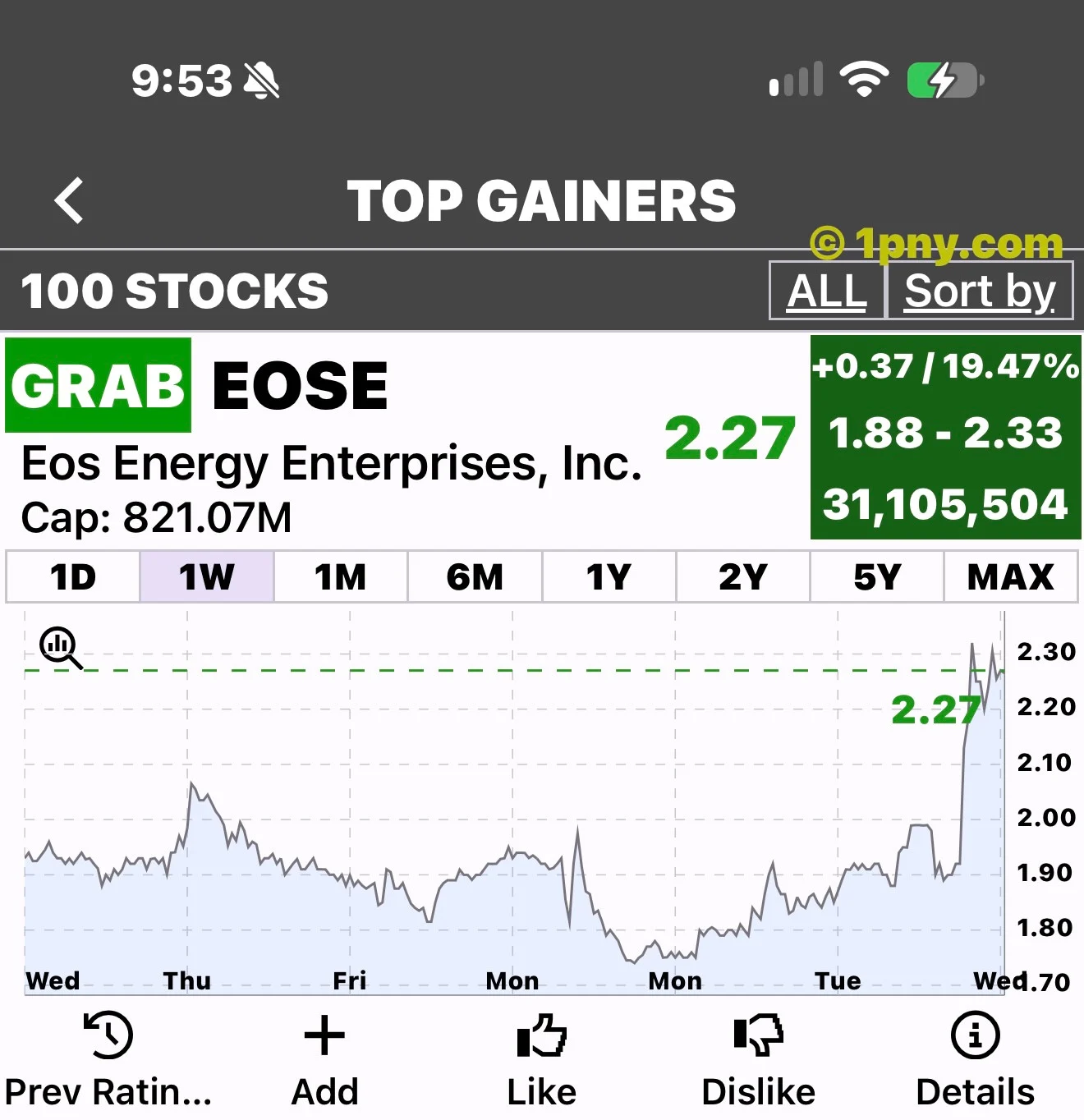
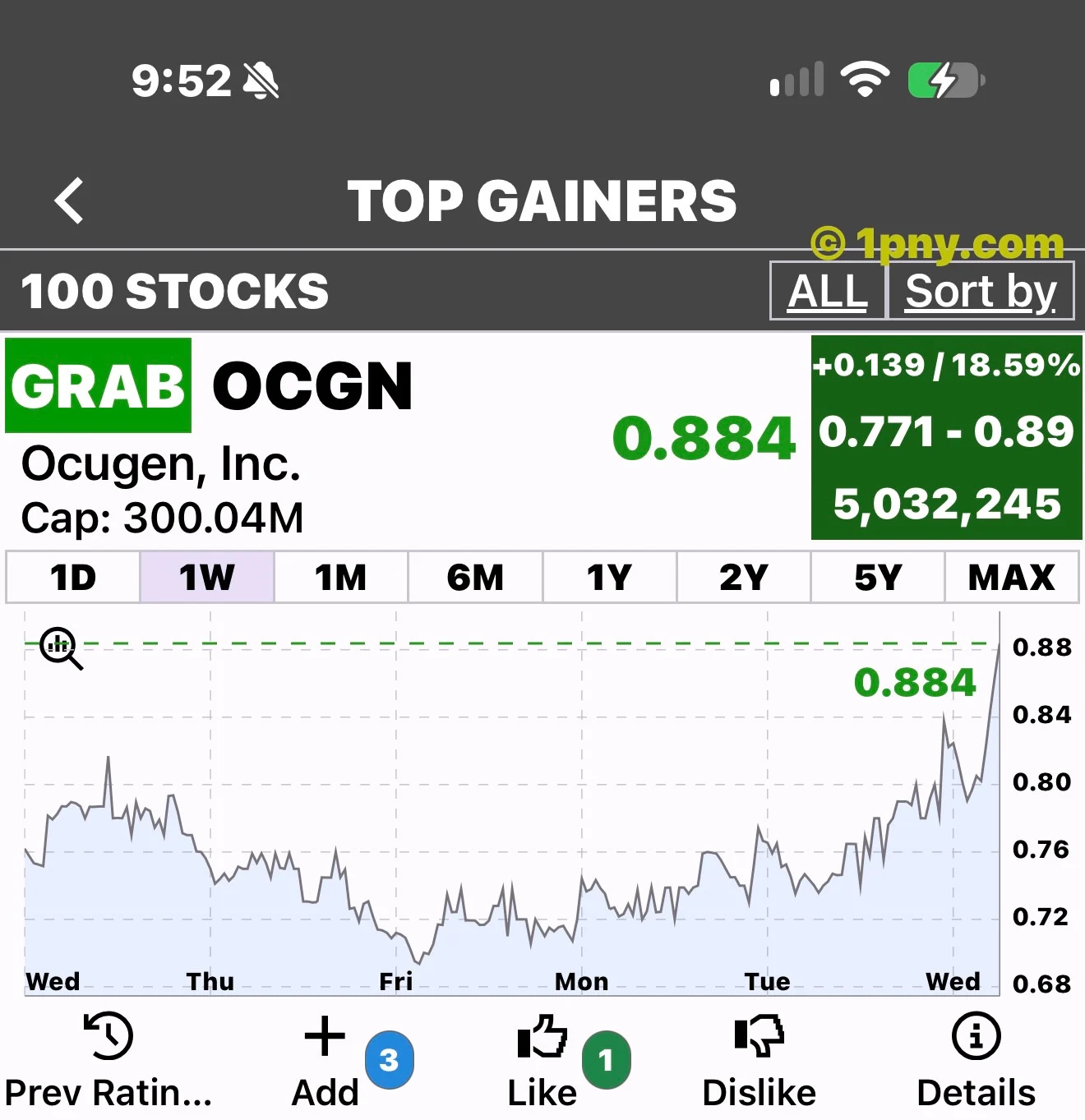
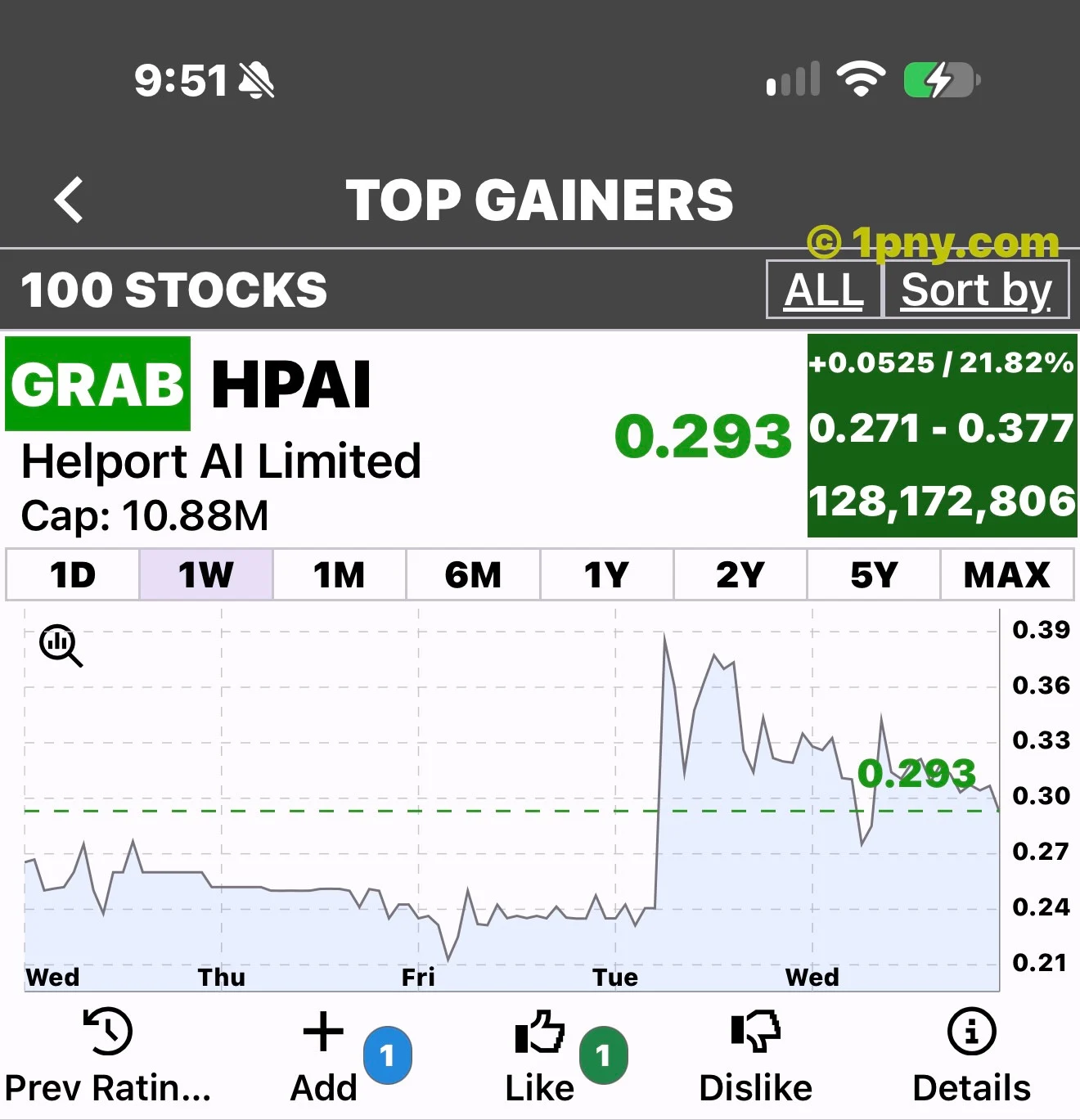
$NAUT, $2.36. According to PennyGems App stock analysis measuring how much of a protein is present is not always the same as understanding which form of it is doing something important. Nautilus Biotechnology is pursuing that distinction through single-molecule analysis. It is a research-tools story: a platform that could help scientists ask more precise questions, with commercial value that still needs to be demonstrated.
The scientific announcement and the upcoming earnings date offer reasons to investigate NAUT. Neither establishes a new October 19 trigger or proves what caused the exact gain shown by PennyGems.
Looking beyond a bulk protein measurement
In a September 4 announcement, Nautilus described a Nature Methods publication measuring distinct tau proteoforms, meaning different forms of the protein. The study quantified 130 groups. Its human sample included five patients with Alzheimer’s disease and related dementias and two cognitively normal individuals. [1]
Our interpretation is that more detailed measurement can potentially improve the questions researchers ask. It is not the same as proving that a diagnostic test works in clinical practice or that a drug can treat a disease. A small exploratory sample calls for validation, not a claim of broad clinical certainty.
What the PennyGems screenshot shows
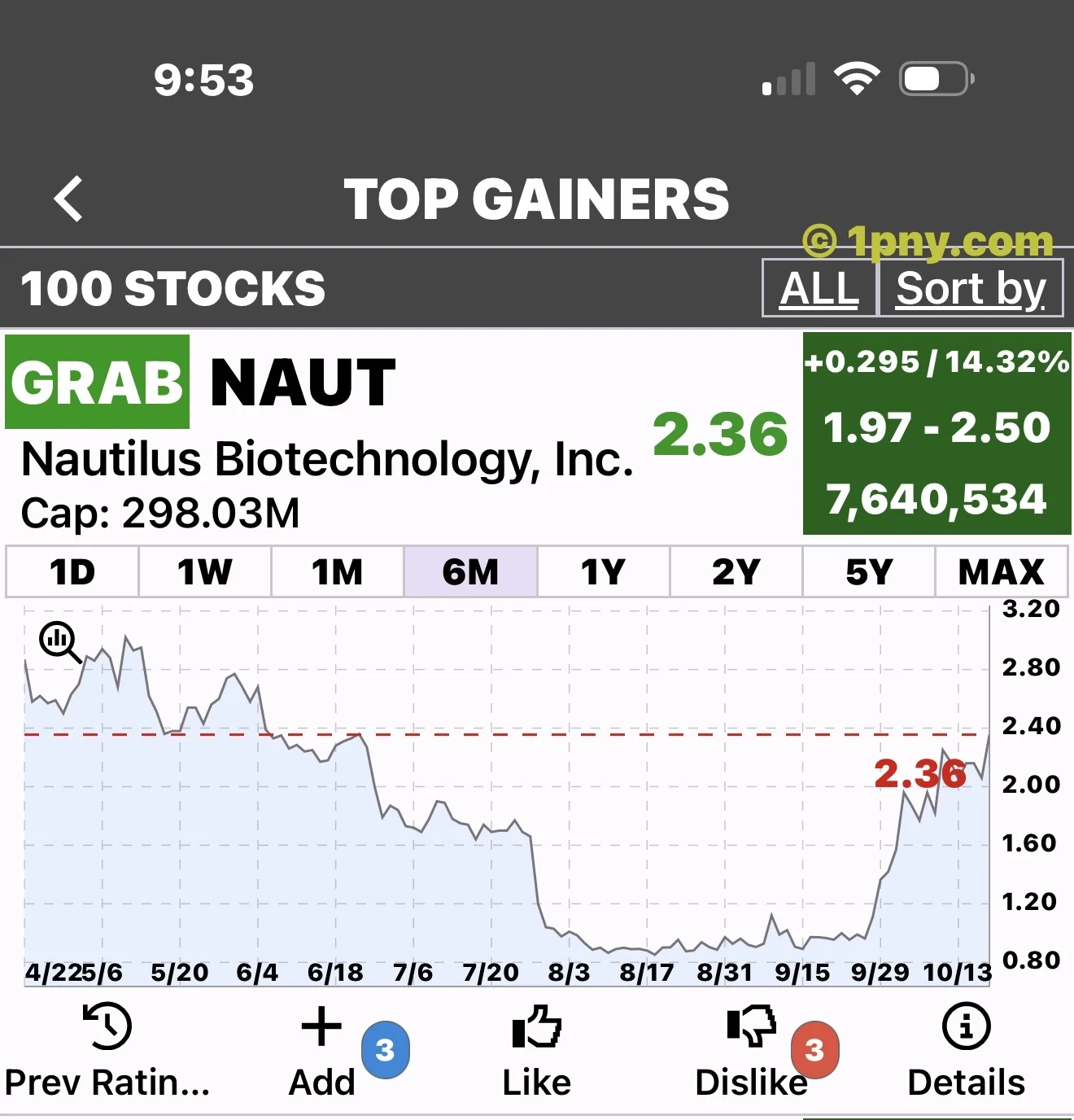
The supplied image displays NAUT at 2.36, up 14.32%, with a GRAB rating and a six-month chart selected. The chart includes a long decline and a later rebound. The complete capture date and quote currency are absent. These are app figures, not independently verified closing returns or Stock Advice’s recommendation.
The longer view shows why a daily gain should not be mistaken for a complete recovery. It also cannot tell us whether researchers will adopt the platform at a price that supports attractive business economics.
A research result and a customer decision are different milestones
For a tools company, scientific usefulness is important but insufficient. Our commercial analysis would ask whether customers can reproduce the measurements, integrate them into their work and justify paying for them relative to alternatives.
A publication can help establish a reason to evaluate a technology. It does not establish sales volume, recurring demand, service costs or a competitive advantage that will endure. We would examine those questions separately rather than infer a large market share from an interesting paper.
October 27 provides a defined business checkpoint
Nautilus has scheduled third-quarter results before the market opens on October 27, 2026. [2] That date offers investors a chance to review business progress and financing alongside the scientific narrative. It should not be treated as a promise of favorable results.
We would look for measurable adoption, clarity about commercialization, cash usage and the resources required to reach the next milestones. The constructive scenario combines useful science with repeatable customer demand. The weaker scenario involves delays or spending that outpaces commercial progress.
NAUT offers a distinctive way to follow advances in protein measurement. Its investment case depends on whether that capability becomes a sustainable business at a valuation that accounts for uncertainty, rather than a claim that research promise already equals shareholder returns.
About PennyGems, the app behind the screenshots
The reader supplied these PennyGems chart screenshots. Available for iPhone [4] and Android [5], it helps readers research low-priced stocks, compare sectors and review buy/sell ratings updated daily. Its iPhone listing advertises over 2,000 stocks under $10. These signals can help build a watchlist and flag weaker candidates; they do not guarantee returns.